GARO designs and manufactures custom chlorine compression systems for safe and reliable handling of both dry and wet chlorine gas. Based on proven liquid ring technology, our chlorine gas compressors deliver near-isothermal compression, low operating temperatures, exceptional reliability, and outstanding corrosion resistance for chlorine production, liquefaction, recovery, and transfer applications. 

For more than 70 years, chemical producers worldwide have trusted GARO liquid ring compressors for critical process duties. Today, GARO chlorine compression solutions support chlor-alkali plants, chemical manufacturers, and petrochemical facilities with customized compressor packages engineered for maximum uptime, safety, and long-term performance. 

Proven Expertise in Chlorine Compression

Chlorine is one of the most important industrial chemicals, serving applications ranging from PVC and chemical manufacturing to water treatment, pulp processing, and industrial cleaning products. Because chlorine is highly toxic, reactive, and potentially corrosive, compression systems must be specifically engineered to ensure process safety and equipment reliability. 

GARO has supplied chlorine compression solutions worldwide for decades and has installed more than 500 compressors for chlorine applications. Our engineers understand the unique challenges associated with chlorine handling, including moisture control, corrosion management, material selection, seal liquid management, and process optimization.
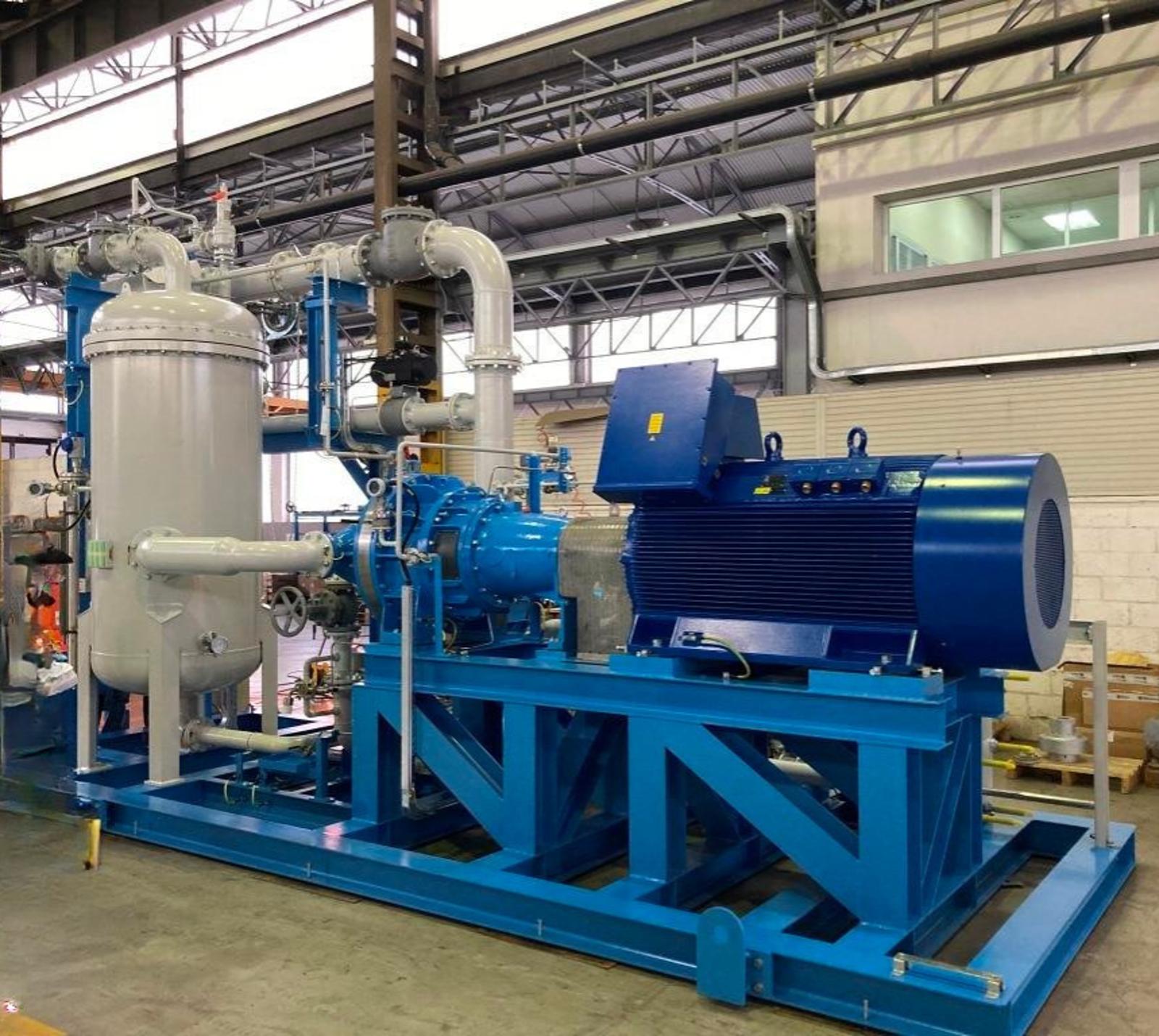

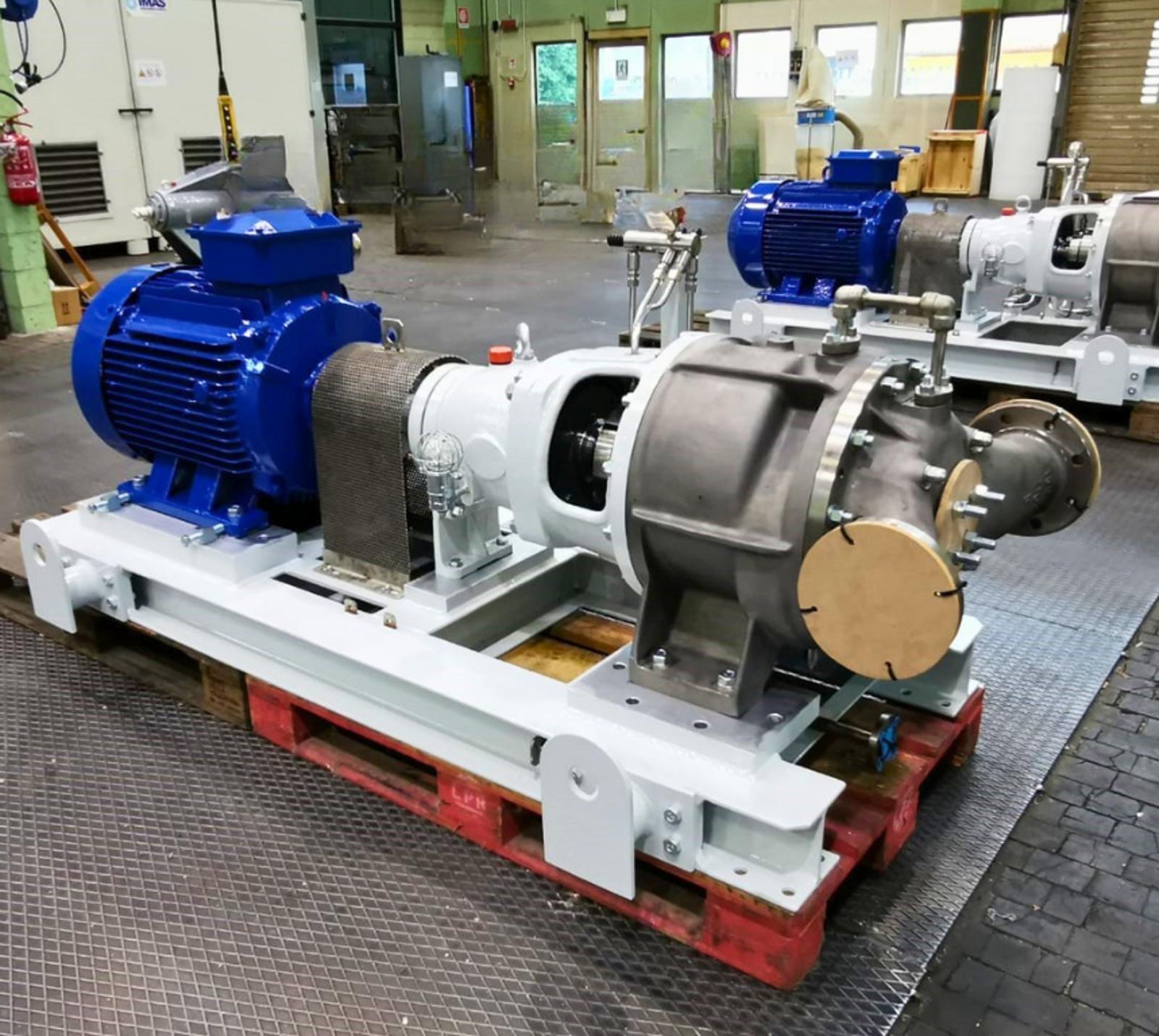
Garo chlorine unit 1
Near-Isothermal Compression icon

Near-Isothermal Compression

LR compressors operate at low temperatures. This minimizes corrosion, protects equipment, and improves process safety.  

Exceptional Reliability icon

Exceptional Reliability

Single moving part design delivers dependable performance and reduced maintenance.

Corrosion Management icon

Corrosion Management

Optimized seal liquids support both dry and wet chlorine applications.

Handles Process Upsets icon

Handles Process Upsets

Tolerates salt, solids, and impurities that can damage other compressor technologies.

Understanding the Chlorine Compression Process

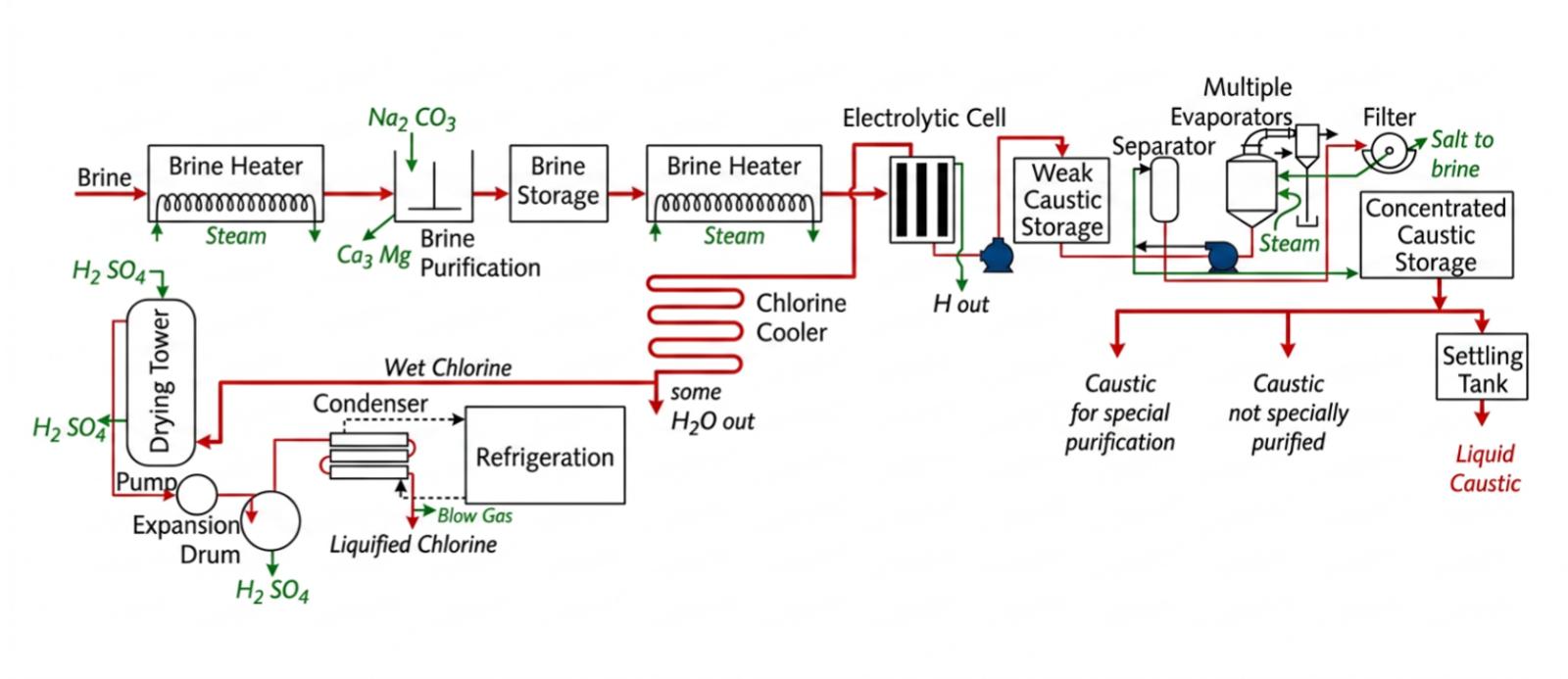
Most chlorine gas is produced through electrolysis, where chlorine, caustic soda, and hydrogen are generated from salt brine. After leaving the electrolytic cells, the chlorine gas is saturated with moisture and must be cooled and dried before entering the chlorine gas compressor.  

Following the drying stage, chlorine gas enters the liquid ring compressor where the pressure is raised to support downstream liquefaction, storage, transportation, or processing requirements. Once compressed, the gas is cooled in a condenser where it can be liquefied for storage or shipment. Maintaining the correct temperature and pressure throughout this process is critical for safe and efficient operation. 

Garo chlorine scheme

Dry Chlorine Compression

Dry chlorine is typically defined as chlorine containing less than 100 ppm of water vapor. In these applications, maintaining proper moisture control is essential to minimizing corrosion and ensuring long equipment life.  

GARO dry chlorine compressors utilize sulfuric acid as the seal liquid. The sulfuric acid not only supports compression but also contributes to the final dehydration of the chlorine gas stream. When maintained at the correct concentration, sulfuric acid enables safe operation with steel and iron equipment while minimizing corrosion risks.  

Key advantages include: 

  • Full chlorine dehydration during compression
  • Reliable chlorine liquefaction support
  • Low operating temperatures
  • Reduced corrosion risk
  • Long compressor life
  • Safe operation in demanding chemical environments
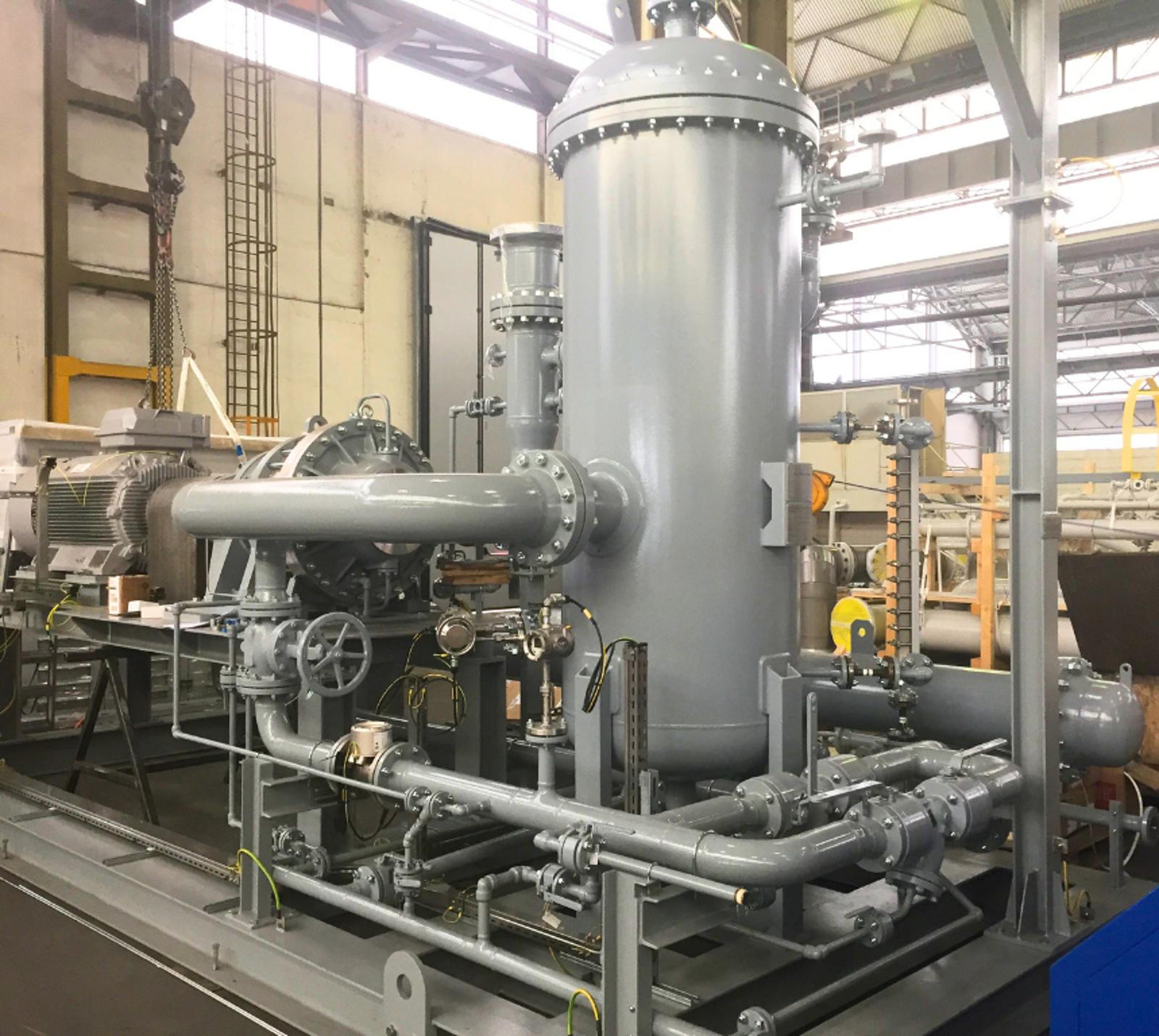
Garo chlorine unit 5

Wet Chlorine Compression

Wet chlorine contains more than 100 ppm water vapor and presents a significantly more aggressive corrosion environment. In these applications, titanium construction becomes essential for maintaining reliability and equipment longevity. 

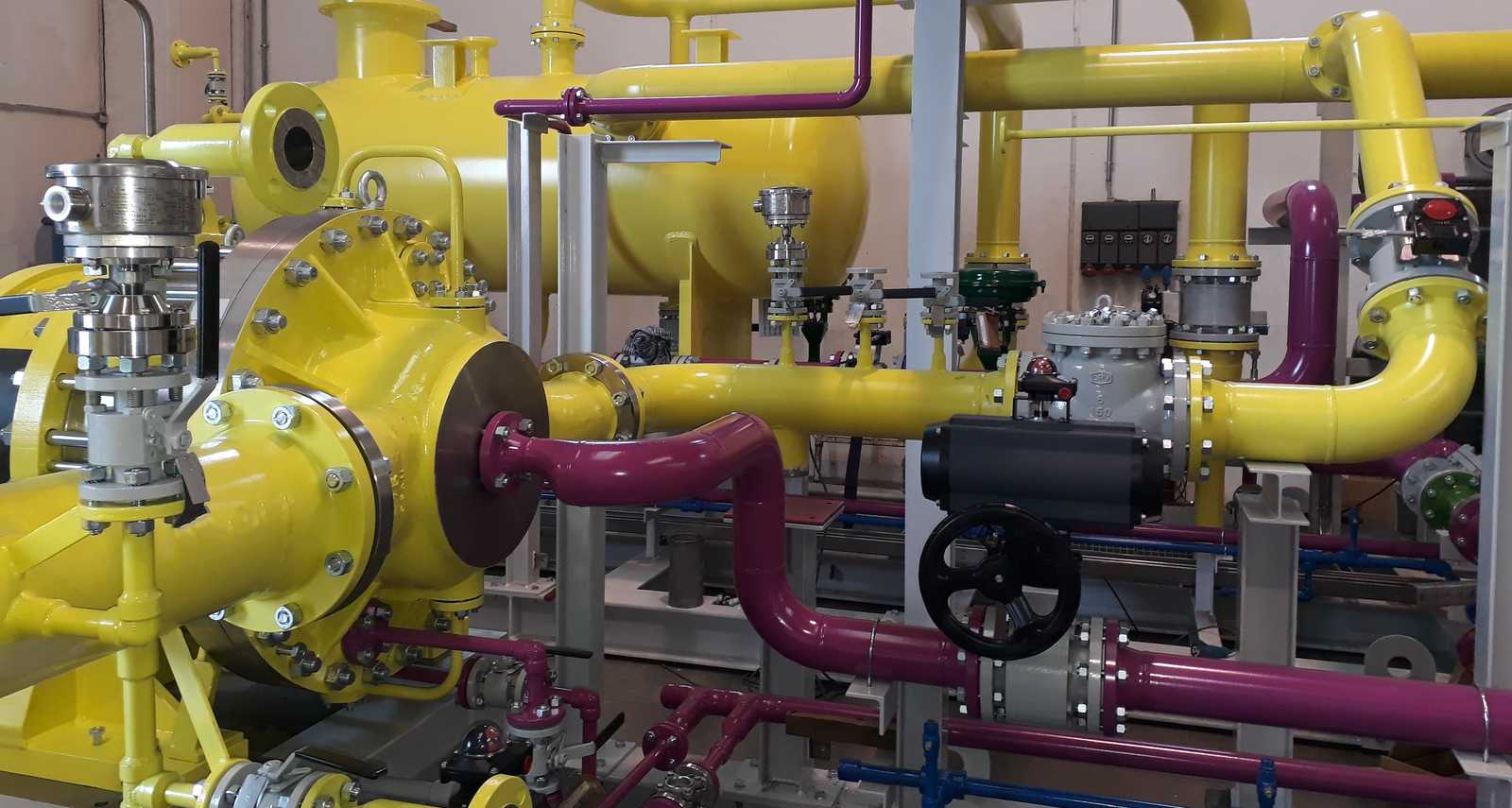
GARO wet chlorine systems use water as the seal liquid and feature titanium compressors, coolers, separator tanks, and piping systems specifically designed to withstand corrosive process conditions. The result is a safe and highly reliable chlorine compression system capable of continuous operation in challenging chemical applications. 

Benefits include: 

  • Titanium construction
  • Water-seal operation
  • Superior corrosion resistance
  • Continuous process reliability
  • Reduced maintenance requirements
  • Long-term asset protection
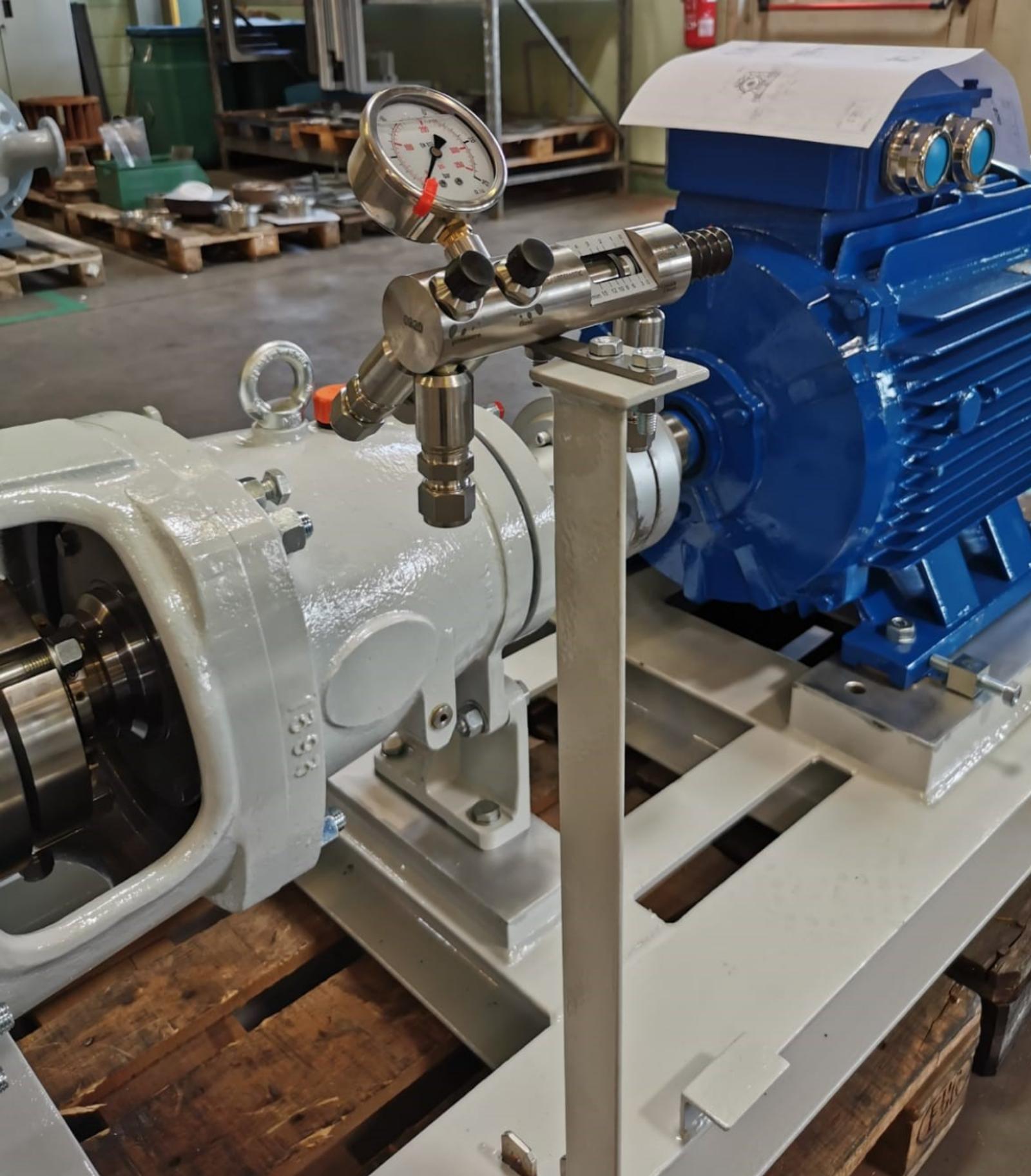
Garo chlorine unit 3

Key Features of GARO Chlorine Compression Systems

  • Proven liquid ring technology
  • Design life exceeding 40 years
  • Near-isothermal compression
  • Oil-free operation
  • Low vibration and noise levels
  • Ability to handle solids carry-over
  • Remote DCS integration capability
  • Continuous unattended operation
  • Pressures up to 12 barg
  • Global technical support and service 
Garo chlorine unit 4

Chlorine Compression System Specifications

Low-Pressure Chlorine Compression 

GARO Single-Stage Liquid Ring Compressor Package

Prameter

Value

Pressure

Up to 5 bar abs 

Flow rate

Up to 4,000 Am³/h

Materials

Cast Iron, Stainless Steel, Titanium 

Application

Chlorine transfer and liquefaction 


Based on process conditions, cast iron compressors can often be used in low-pressure dry chlorine applications, providing a highly cost-effective solution.

High-Pressure Chlorine Compression 

GARO Two-Stage Liquid Ring Compressor Package 

Parameter

Value

Pressure

Up to 12 bar abs 

Flow rate

Up to 3,000 Am³/h 

Materials

Stainless Steel, Titanium 

Application

High-pressure chlorine liquefaction 

For higher operating pressures and temperatures, austenitic stainless steel construction is typically selected to provide enhanced corrosion resistance. 

Chlorine Compression Case Studies & Technical Downloads

Explore real-world chlorine compression projects and technical guidance developed from decades of experience in chlor-alkali, chemical, and petrochemical applications. 

Frequently Asked Questions

Chlorine compression is the process of increasing chlorine gas pressure for liquefaction, transportation, storage, recovery, or chemical processing applications. 

Contact us

Maximize efficiency with GARO solutions! Whether you are designing a new system or upgrading an existing installation, we will provide the expertise and technology to support your goals.